
Introduction
Capital is one of the most important factors of production in economics. It plays a significant role in the development of businesses, industries, agriculture, and the overall economy of a country. Capital refers to the wealth and resources used to produce goods and services. These resources include money, machinery, tools, buildings, vehicles, and equipment. Without sufficient capital, it is difficult for businesses to start, operate, and expand their activities. Capital is therefore considered an essential requirement for economic growth and prosperity.
Meaning of Capital
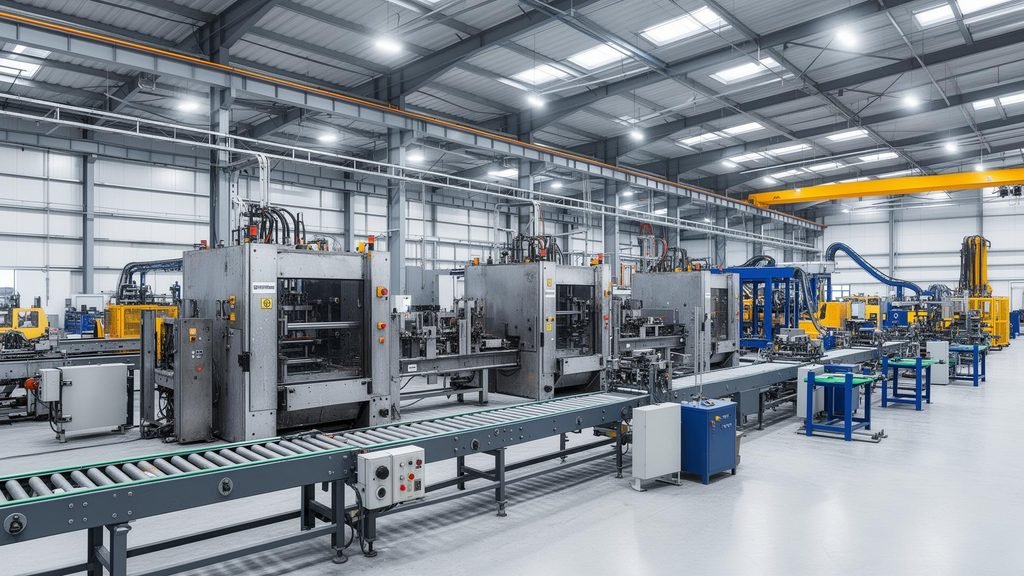
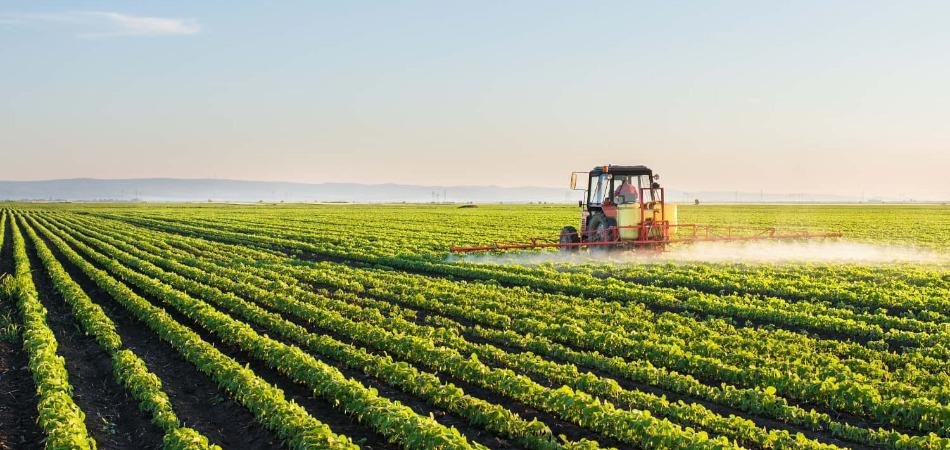
In economics, capital refers to man-made resources that are used in the production of goods and services. It includes machinery, factories, buildings, computers, vehicles, and tools. For example, a farmer uses tractors and agricultural machinery to grow crops, while a factory owner uses machines to manufacture products. These resources are considered capital because they help increase production and generate income. Capital is not simply money; it also includes physical assets and productive resources that support economic activities.
Types of Capital
There are different types of capital in economics. Physical capital includes machinery, tools, buildings, and equipment used in production. Human capital refers to the education, knowledge, skills, and experience of people that improve their ability to work. Financial capital consists of money and financial resources used to establish and operate businesses. Fixed capital includes long-term assets such as factories, vehicles, and machinery, while working capital refers to the money required for daily business activities, including salaries, electricity bills, and raw materials. All these types of capital are important for successful production and business operations.
Importance of Capital
Capital is essential for the economic development of a country because it increases production and improves efficiency. Modern machinery and advanced technology help businesses produce more goods in less time. Investment in factories, industries, and businesses creates employment opportunities and increases people’s incomes. Capital also encourages entrepreneurs to establish new businesses and expand existing ones. Furthermore, it supports the development of schools, hospitals, roads, bridges, and other important facilities. In this way, capital improves living standards and contributes to the overall prosperity of society.

Sources of Capital
Capital can be obtained from various sources, including personal savings, bank loans, government investment, foreign investment, business profits, and financial institutions. Individuals and companies use these resources to establish businesses, purchase machinery, and finance their production activities. Saving money and investing it in productive projects are important ways of increasing the amount of capital in an economy.
Role of Capital in Pakistan’s Economy
Capital plays an important role in the economic development of Pakistan. Agriculture, industries, transportation, education, and technology all require investment. Farmers need modern machinery and equipment to increase agricultural production, while industrial businesses need factories and advanced technology to manufacture quality products. Investment in education and healthcare also improves human capital and strengthens the workforce. Pakistan can achieve greater economic progress by encouraging domestic and foreign investment, supporting small businesses, and using available resources efficiently.
Conclusion
In conclusion, capital is a fundamental requirement for production, business activities, and economic development. It increases productivity, creates employment opportunities, improves technology, and raises living standards. Both developed and developing countries need sufficient capital to achieve sustainable economic growth. Therefore, saving, investment, and the proper utilization of capital are essential for building a strong, stable, and prosperous economy.