Hey everyone, welcome back to the Forest Haven blog! If you’re anything like me, you love diving into stories that connect us with the people who are out there every day fighting for our planet’s green spaces. Today, I’m thrilled to share a heartfelt chat I had with Paul Boynton, a board member of Stewardship in Action and the Interim President and CEO of American Forests. Paul’s journey in forestry and conservation is nothing short of inspiring—he’s spent decades leading major companies in the forest products industry, all while keeping a firm grip on the values of sustainability and partnership that make real change possible.
I reached out to Paul because his work resonates so deeply with what we talk about here at Forest Haven: protecting our forests not just for today, but for generations to come. As someone who’s managed his family’s 180-year-old farm in Ohio and helped safeguard thousands of acres of wilderness, Paul embodies that long-term thinking we all need more of. Our conversation touched on everything from his early influences to the role of urban trees in fighting climate change, and honestly, it left me feeling hopeful and energized. Grab a cup of coffee (or tea, if that’s your thing), and let’s dive in. This is a real, unfiltered talk about stewardship in action—pun intended!
Setting the Scene
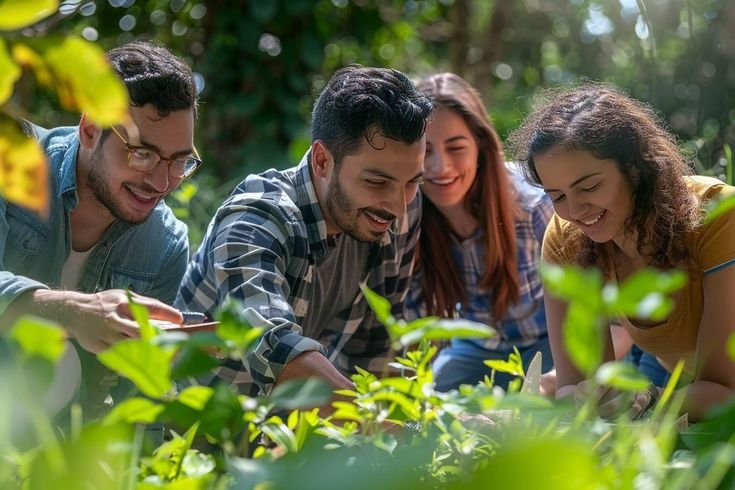
We connected over a video call on a crisp summer morning. Paul was calling from his home, with a backdrop of family photos and what looked like a well-loved map of forest lands pinned to the wall. Right away, his warmth came through—he’s the kind of guy who makes you feel like you’re chatting with an old friend. I started by asking about his roots, because I believe understanding where someone comes from is key to appreciating their passion for environmental stewardship.
Me: Paul, thanks so much for taking the time to talk with us at Forest Haven. You’ve had an incredible career in forestry, from leading Rayonier to your current roles. But let’s start at the beginning—what first sparked your connection to conservation and shaped your values around land stewardship?
Paul: Oh, it’s my pleasure—I’m always happy to talk forests! You know, I was born on a farm in northwest Ohio that’s been in my family since 1846. The original house is still standing, and I’ve taken over as the owner and manager. Walking my kids through the old family cemetery, pointing out seven generations of Boyntons going back to 1799… it grounds you in a way that’s hard to describe. My great-great-great-great-grandfather, Alpheus W. Boynton, came from Bath, Maine, and started this legacy. Growing up there, I learned early on that stewardship isn’t just about the land—it’s about thinking beyond your lifetime. My parents instilled in me this idea that we’re temporary caretakers, and that mindset has stuck with me through every decision I’ve made in my career.
It’s funny how those childhood experiences shape you. As a kid, I’d spend hours exploring the woods on our property, watching how the seasons changed everything. That personal tie to the earth made me realize forests aren’t just resources; they’re living systems that support us all. When I look at the challenges we face today—like climate change and habitat loss—I draw on that foundation. It’s what drives me to advocate for sustainable forestry practices that balance human needs with environmental health.
I nodded along, thinking about my hikes in local forests and how those moments recharge me. Paul’s story reminded me why stewardship in action matters—it’s personal, not abstract.
Me: That’s beautiful, Paul. It sounds like family and legacy play a huge role in your approach. Transitioning to your professional life, you’ve spent much of your career in the forest products industry. How did you first get involved with organizations like American Forests and Stewardship in Action, and what drew you in?
Paul: Absolutely, family is at the heart of it. Professionally, my path started with roles at companies like 3M, where I led businesses in consumer products, but I really found my calling in forestry. I served as CEO of Rayonier, a timberland company with assets in the U.S. and New Zealand, and later as CEO of Rayonier Advanced Materials, focusing on high-value cellulose fibers. Those experiences taught me the ins and outs of managing vast forest lands responsibly.
I first learned about American Forests through a longtime board member and friend, Zim Boulos. What hooked me was their mission—trees and forests as the ultimate tool for mitigating climate change. They’re the largest carbon capture opportunity we have, plain and simple. But it’s not about locking everything away; it’s about a balanced approach to forest conservation. I’ve always believed that actively managed working forests—whether for conservation, carbon sequestration, recreation, or sustainable harvests—increase their value and help prevent conversion to non-forest uses like urban development.
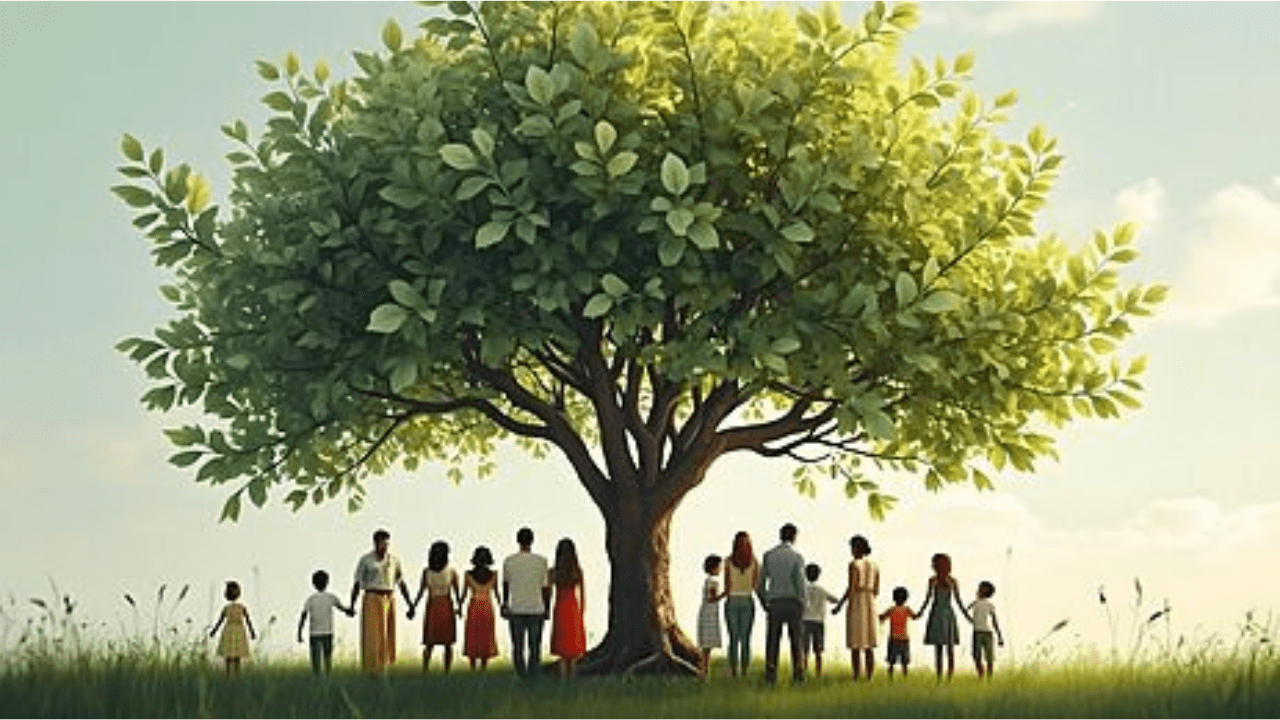
As for Stewardship in Action, it’s an extension of that philosophy. Being a board member there allows me to collaborate with like-minded folks on grassroots initiatives that put stewardship principles into practice. We’re talking about partnerships that protect waterways, support wildlife habitats, and engage communities. What draws me in is the focus on shared values—finding ways for conservation groups, local communities, and industry to work together. Real progress happens when we emphasize what we have in common.
His enthusiasm was contagious. I could see why he’s such an effective leader; he doesn’t just talk the talk—he lives it.
Me: You mention finding “common ground” a lot in your work. Where did that philosophy come from, and why is it so crucial for forest conservation today?
Paul: That’s a great question, and it goes back to a mentor of mine, Lee Thomas, who was head of the EPA under President Reagan and later my CEO at Rayonier. Lee taught me to think in terms of Venn diagrams: identify where interests overlap between the environment, communities, and economic purposes. Build from that shared space.
This approach has guided so many projects I’ve been part of. For instance, at Rayonier, we set aside thousands of acres along Georgia’s Altamaha River for conservation, working with local groups to protect biodiversity while maintaining sustainable operations. Up in Canada, we collaborated with First Nations communities to safeguard caribou migration paths without halting forest management entirely. It’s about listening, compromising, and focusing on mutual goals.
In today’s world, with polarization around environmental issues, this mindset is more important than ever. Climate change doesn’t care about divides—rising temperatures, extreme weather, they’re affecting us all. By fostering partnerships, we can scale up solutions like reforestation and urban greening. At American Forests, we’re pushing for Tree Equity, ensuring every neighborhood has access to the cooling, health-boosting benefits of trees. That’s common ground in action: healthier communities, resilient ecosystems, and a sustainable future.
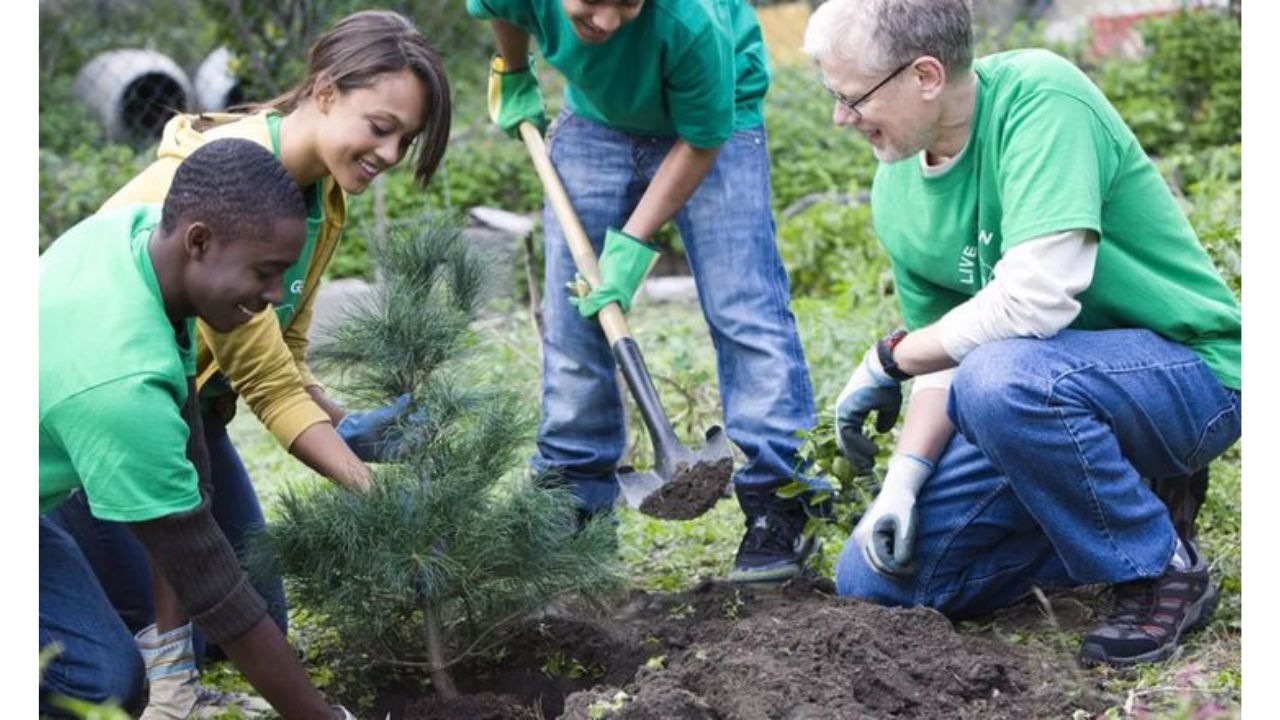
I shared a quick story from my own life about a community tree-planting event I’d attended, and Paul lit up, reinforcing how these small acts add up.
Me: Speaking of surprises, has anything in your time with American Forests or Stewardship in Action expanded your view of conservation in unexpected ways?
Paul: Definitely. One big eye-opener has been the emphasis on urban forestry and Tree Equity. Before diving deeper into this, I thought of trees in cities mostly as aesthetic enhancers—making streets prettier. But wow, the science shows they’re vital for cooling urban heat islands, improving air quality, and even boosting mental health. In underserved neighborhoods, a lack of tree canopy can mean higher temperatures and health disparities. American Forests’ work to plant millions of trees in cities has shown me that conservation isn’t just rural; it’s about equity and justice in our everyday environments.
Another surprise? The power of innovation in forestry. We’re seeing advances in climate-smart practices, like using drones for reforestation or genetic research to make trees more resilient to pests and drought. At Stewardship in Action, we’ve been involved in pilot programs that integrate these tech tools with traditional knowledge from indigenous communities. It’s exciting—reminds me that conservation evolves, and we have to stay adaptable.
We paused here for a moment, both reflecting on how urban forests tie into broader stewardship efforts. It felt like a natural pivot to the bigger picture.
Me: With climate change accelerating, what role do you see forests playing in mitigation, and how can everyday people get involved in stewardship in action?
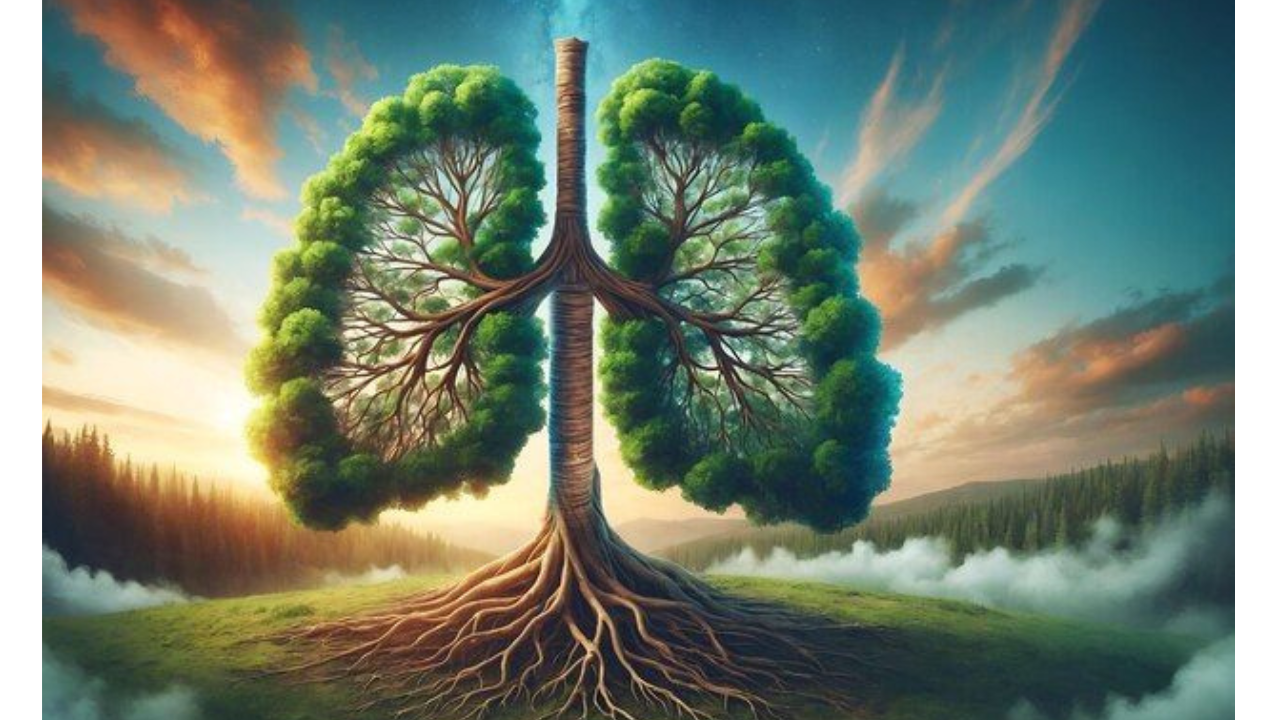
Paul: Forests are frontline warriors against climate change. They absorb billions of tons of CO2 annually, regulate water cycles, and provide habitats for countless species. But we’re losing them at alarming rates due to wildfires, development, and poor management. The key is scaling up restoration—American Forests aims to plant 1 billion trees by 2030, focusing on areas hit hardest by loss.
For everyday folks, start small but think big. Plant native trees in your yard or community—it’s a direct act of stewardship. Support policies that promote sustainable forestry, like those encouraging carbon credits for well-managed lands. Volunteer with local groups; even a weekend cleanup or advocacy letter makes a difference. And educate yourself—read up on how buying sustainably sourced wood products supports healthy forests.
Personally, managing my family farm, I’ve implemented no-till farming and buffer zones to protect waterways. It’s rewarding to see wildlife thrive as a result. If we all adopt that steward’s mindset, we can turn the tide.
Me: One last question, Paul—what gives you hope for the future of our forests?
Paul: Hope comes from people—the dedicated teams at organizations like American Forests and Stewardship in Action, the young activists pushing for change, and communities coming together. I’ve seen partnerships bridge divides and create lasting impacts, like the Altamaha River protections that will benefit generations. Technology and science are advancing, too, giving us better tools. But ultimately, it’s our shared commitment to values like responsibility and collaboration that fuels me. We’re in this together, and that unity is powerful.
Wrapping It Up: Reflections from Forest Haven
Whew, what a conversation! Talking with Paul left me with a renewed sense of purpose. His stories—from the Ohio farm to global forest initiatives—highlight how stewardship in action isn’t some lofty ideal; it’s practical, collaborative work that anyone can contribute to. Whether you’re a seasoned environmentalist or just starting to explore sustainable living, Paul’s insights remind us that finding common ground is the path forward.
At Forest Haven, we’re all about empowering you to make a difference. If this chat inspired you, check out our resources on forest conservation tips or join our upcoming virtual workshop on urban tree planting. Let’s keep the momentum going—share your own stewardship stories in the comments below. Together, we can ensure our forests thrive for years to come.
Thanks again to Paul Boynton for his time and wisdom. Here’s to more conversations that spark action!